
Sri Lanka Engages in Asia-Pacific Media Dialogue on AI and Regional Cooperation
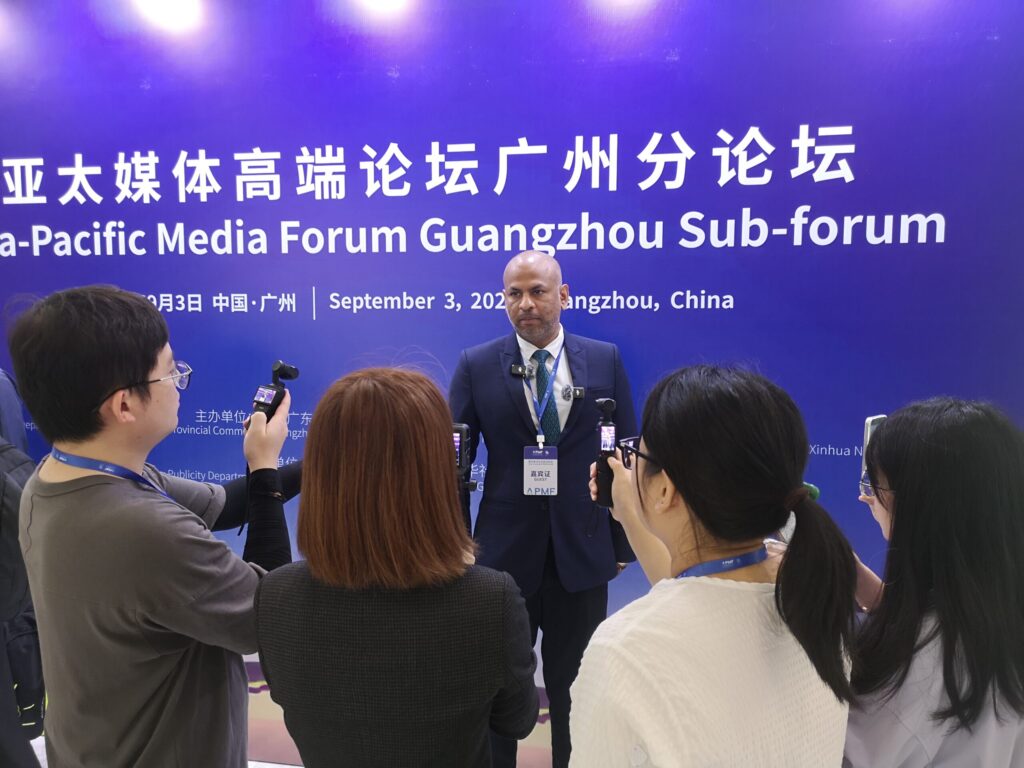
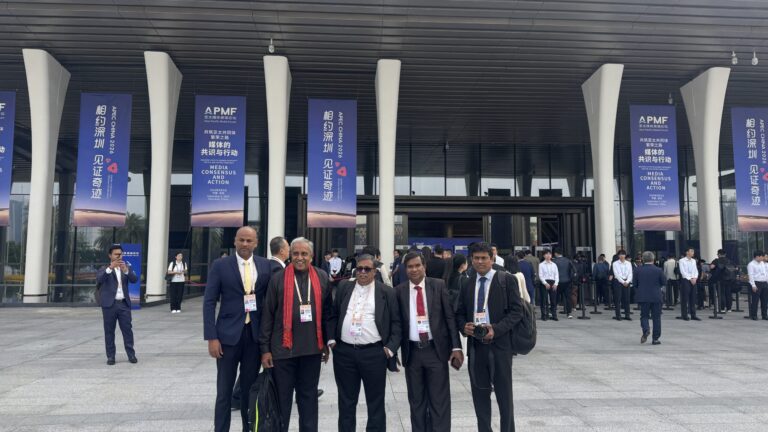
Sri Lanka was represented at the Asia-Pacific Media Conference and related sub-forum activities in China, providing an opportunity for Sri Lankan media professionals and representatives to engage with regional discussions on economic development, technology, innovation and international cooperation. Representing the Belt and Road Initiative Sri Lanka (BRISL), Yasiru Bandara Ranaraja participated in the programme alongside Senior Prof. Samitha Hettige, Editorial Director of Lake House Mr. Sisira Yapa, Veteran journalist and Chairman of the Sri Lanka Press Council Mr. Priyan R. Wijebandara, and Senior Photographer of Lake House Mr. Rukmal Gamage. The programme covered Guangzhou, Foshan and Shenzhen, bringing together discussions on regional development while providing participants with an opportunity to observe China’s advances in manufacturing, logistics, technology and infrastructure
Importance of the Asia-Pacific and APEC
The engagement comes at an important time for the Asia-Pacific, as APEC and wider regional cooperation initiatives are expected to remain central to discussions in the coming months. The Asia-Pacific has become one of the world’s most important centres of economic growth, trade, innovation and technological development. For developing countries such as Sri Lanka, active engagement with these regional discussions is increasingly important. The future of the region will extend beyond traditional trade and investment. Issues such as Artificial Intelligence, digital infrastructure, education, climate resilience, healthcare, agriculture and sustainable development are becoming increasingly important to regional cooperation. Sri Lanka’s participation therefore provides an opportunity to ensure that the country’s interests and perspectives are part of these wider conversations.
AI and the need for international cooperation
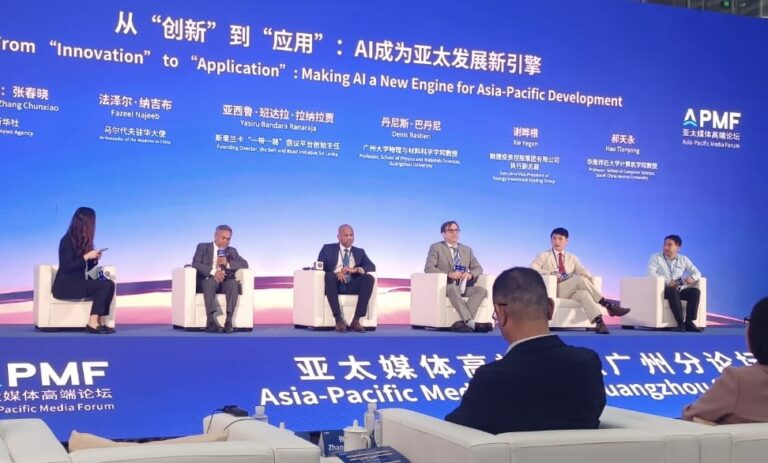
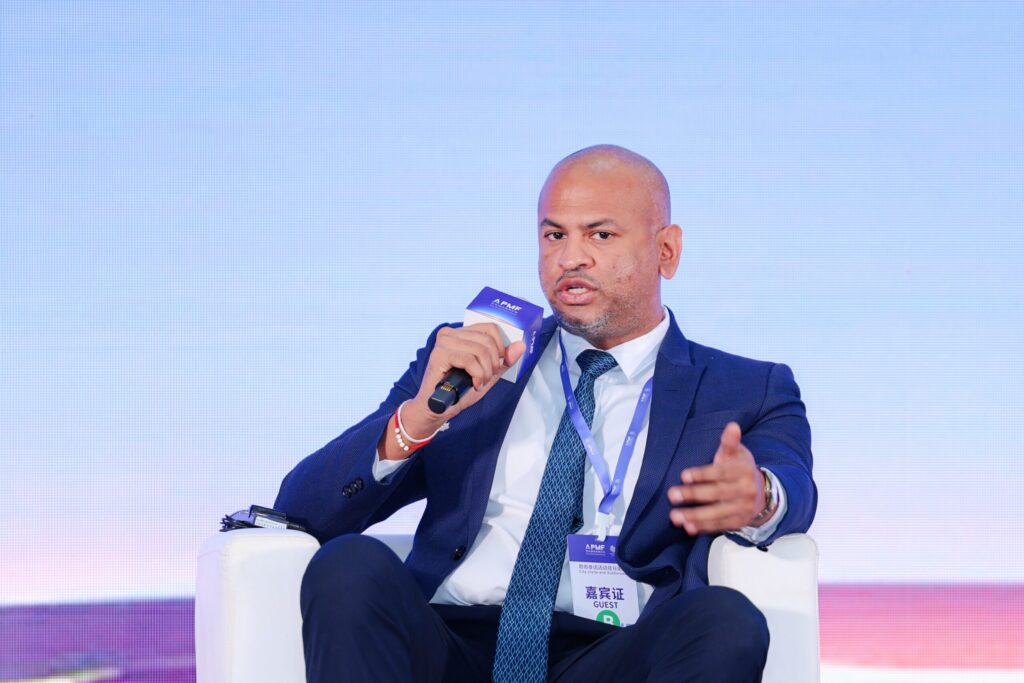
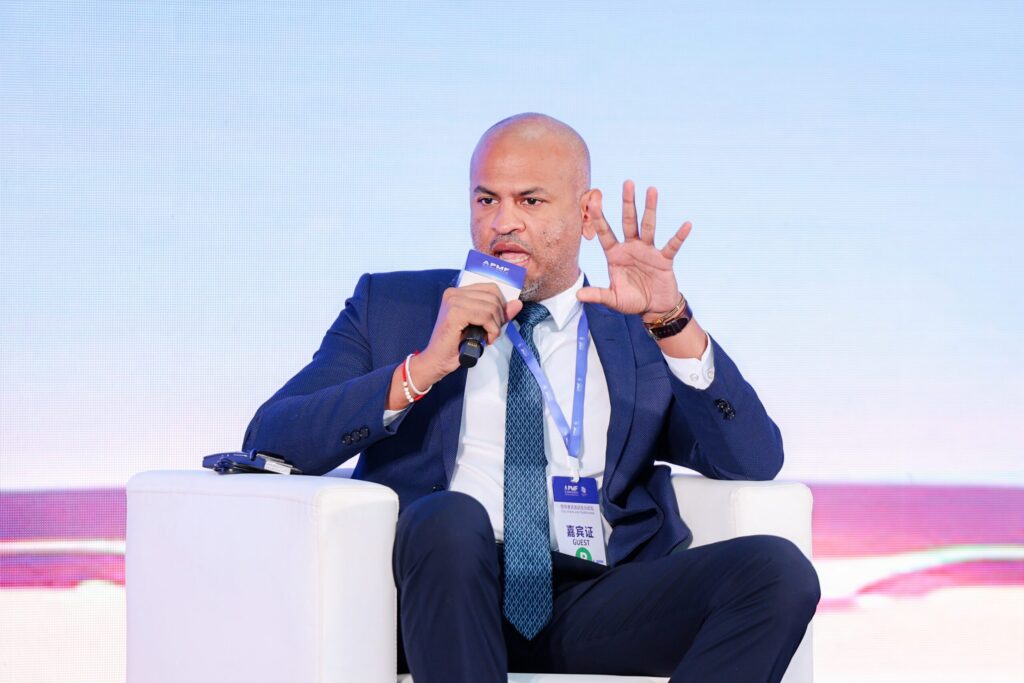
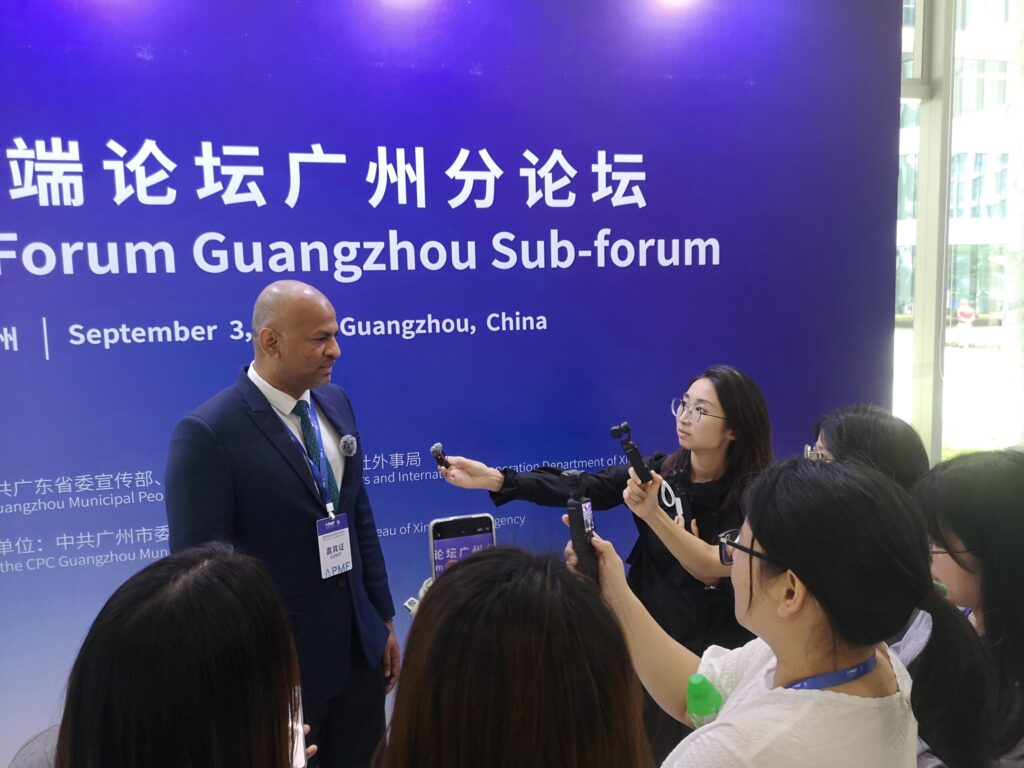
At the Guangzhou Sub-forum, held under the theme “Asia-Pacific Development Opportunities through Openness, Innovation and Cooperation,” Yasiru Bandara Ranaraja delivered remarks focusing on the future of Artificial Intelligence. He participated in Panel Session 2, titled “From Innovation to Application: Making AI a New Engine for Asia-Pacific Development,” moderated by Zhang Chunxiao of Xinhua News Agency. The panel brought together speakers from across the region and the technology and academic sectors, including Fazeel Najeeb, Ambassador of the Maldives to China; Denis Bastieri, Professor at the School of Physics and Materials Sciences, Guangzhou University; Xie Yegen, Executive Vice-President of Youngy Investment Holding Group; and Hao Tianyong, Professor at the School of Computer Science, South China Normal University. Ranaraja highlighted the rapid development of AI and argued that states and the international community need to work towards a common and conventional framework for AI governance. He stressed that AI should not become a technology controlled primarily by a small number of individuals, corporations or industry leaders. While innovation should continue, there is a need for internationally recognised principles that ensure AI develops in a manner that serves society as a whole.
A particular emphasis was placed on the opportunities AI can provide for developing countries, AI can potentially contribute to everyday development through applications in weather forecasting, agriculture, traffic management, healthcare and public services. Such applications could help developing nations address practical challenges while improving productivity and the quality of life of their populations. Ranaraja also highlighted the need for developing countries to move beyond simply being consumers of AI technologies developed elsewhere. In the long term, developing nations will require access to capital, computing capacity, data centres and digital infrastructure if they are to participate meaningfully in the global AI ecosystem. He emphasised that countries should be able to develop their own technological capabilities while remaining connected to global AI networks and research ecosystems. For Sri Lanka and other developing economies, investment in digital infrastructure could become as strategically important as traditional infrastructure. However, technology alone will not be sufficient. Education and human capital development must also be central to national AI strategies. Schools, universities and professional institutions need to prepare young people to understand, develop and responsibly use AI technologies.
Learning from China’s development
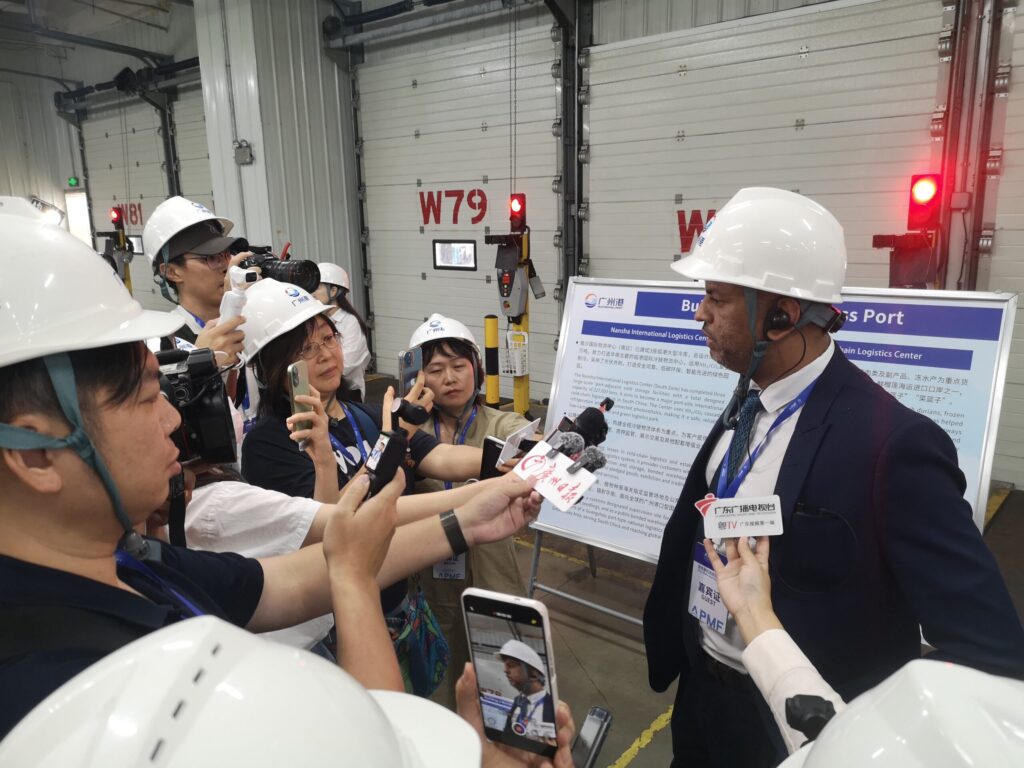
The programme also included visits to the Nansha Port Phase IV Fully Automated Terminal and the Guangzhou Nansha International Logistics Center, demonstrating the integration of technology and logistics into international trade. Participants also visited manufacturing facilities in Foshan, including Midea Microwave Shunde Industrial Park and Guangdong Jingyi Furniture Co., Ltd., before travelling to Shenzhen.The final stage of the programme included the official Asia-Pacific Media Forum, a technology exhibition and a driverless-vehicle experience in Shenzhen, one of China’s leading centres of technology and innovation. The programme provided the Sri Lankan delegation with a broader understanding of how infrastructure, manufacturing, digital technology and innovation are shaping the future of the Asia-Pacific. As regional cooperation and APEC-related discussions continue in the coming months, Sri Lanka’s participation in such forums can help strengthen its engagement with emerging opportunities in technology, investment, education and development.
The central message from the discussions was clear: the future of AI should be shaped through cooperation, with developing nations given the opportunity to build capacity and benefit from the technology rather than remain dependent on a small group of global technology leaders. For Sri Lanka, remaining engaged in the evolving Asia-Pacific dialogue will be essential to ensuring that the country’s development priorities are part of the region’s rapidly changing technological and economic future.
