
Opinion | Illuminating the Global South: Why the Beijing Financiers Forum Matters?
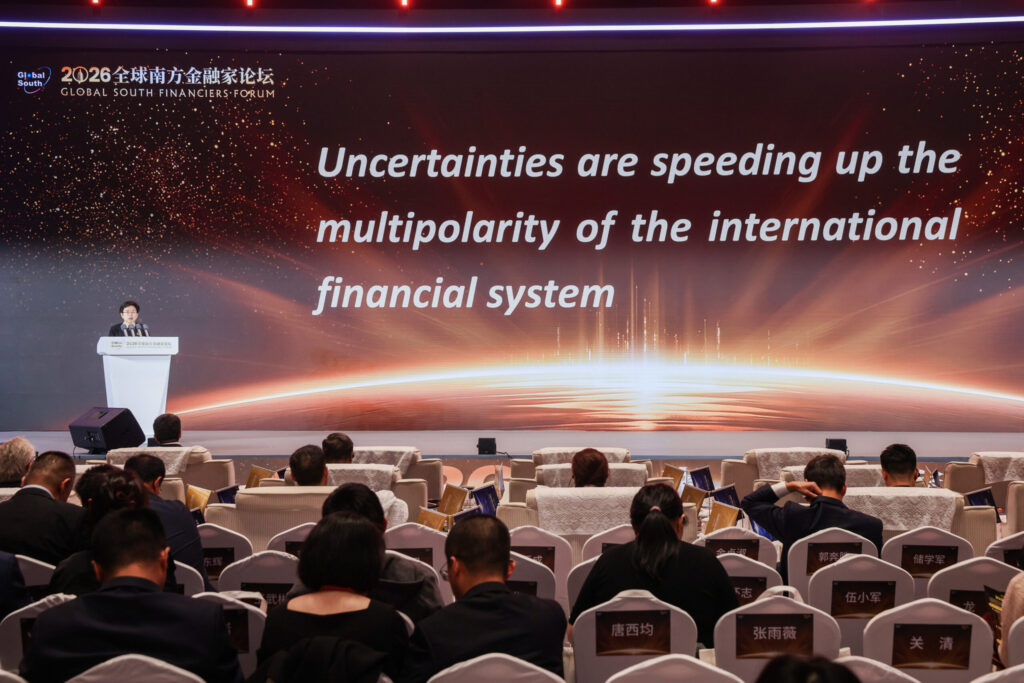
BEIJING, March 25, 2026: The 2026 Global South Financiers Forum, convened in Beijing and organized for the second time by the Xinhua Economic Information Services department of Xinhua News Agency, marks an important step in the evolution of South-South financial dialogue. At a time when emerging economies account for an increasing share of global growth, trade, and investment, the forum stands out as one of the few international platforms dedicated specifically to financial cooperation among Global South nations. By bringing together policymakers, central bankers, financial institutions, and research organizations, the gathering highlights a growing effort by developing economies to articulate their own priorities and explore pathways toward a more interdependent and representative global financial system.
The growing economic influence of the Global South is reshaping the architecture of global finance. Yet despite this transformation, there have historically been few international platforms dedicated specifically to financial cooperation among developing economies. The Global South Financiers Forum 2026, held in Beijing, represents an important step toward filling that gap. Organized for the second time by the Xinhua Economic Information Services, a division of Xinhua News Agency, the two-day forum gathered policymakers, central bankers, financial institutions, and research organizations under the theme “Illuminating Global South.” The event is not merely another conference on development finance; rather, it represents one of the few emerging platforms where Global South economies can collectively articulate their financial priorities and explore mechanisms for deeper financial interdependence.
At the opening session, Fu Hua, president of Xinhua News Agency, emphasized that amplifying the voice of the Global South is essential for shaping a more balanced international economic order. The agency, he noted, aims to leverage its global media and information networks to promote deeper financial cooperation and provide policy ideas for a more inclusive system of global financial governance. Local authorities also framed the forum as part of a broader push to deepen international financial connectivity. Sun Shuo, vice mayor of Beijing, highlighted the city’s commitment to expanding financial cooperation with Global South partners, particularly in green finance, technological innovation, and financial sector opening. Meanwhile Lu Lei, deputy governor of the People’s Bank of China, called for stronger support for green and low-carbon investments across countries participating in the Belt and Road Initiative.
Such policy signals reflect a deeper structural shift. Over the past two decades, the Global South has become a central engine of global economic growth. According to data from UN Trade and Development (UNCTAD), developing economies collectively accounted for around 42% of global GDP, 44% of merchandise exports, and roughly 65% of global foreign direct investment inflows as of 2023. Trade among developing economies themselves has also expanded rapidly. South-South trade has grown from 11% of global merchandise trade in 2000 to about 26% in 2024, illustrating the growing interconnectedness of emerging markets. Demographically, the Global South is even more influential. Approximately 88% of the world’s population lives outside the traditional Western economic core, underscoring the scale of the markets, labor forces, and innovation potential that exist across Asia, Africa, Latin America, and parts of Oceania.
Yet despite these realities, the institutional architecture of global finance “from development lending to capital markets” remains heavily influenced by institutions historically shaped by the Global North. This structural imbalance has fueled increasing calls for platforms that allow developing economies to coordinate financial strategies, share development experiences, and propose alternative governance frameworks.
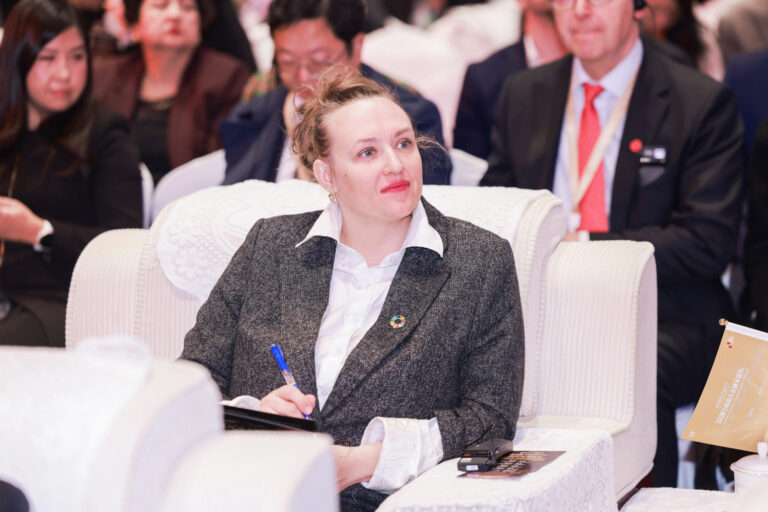
This is where the Global South Financiers Forum stands out. Unlike broader economic gatherings such as multilateral development bank meetings or global investor summits, the Beijing forum focuses specifically on financial collaboration among Global South economies. It provides space not only for policy dialogue but also for exploring new mechanisms of financial cooperation, whether through green investment partnerships, development finance instruments, or emerging payment infrastructures.
Participants at this year’s forum included government officials and financial leaders from multiple regions. Among them were Erwin Ramirez, Nicaragua’s minister of development, industry and trade, and Shahin Mahmudzada, executive director of the Central Bank of Azerbaijan. Their participation highlighted the geographic diversity of the Global South and the shared interest in strengthening financial cooperation across regions.

For research institutions and policy organizations, the forum also offers a unique opportunity to contribute intellectual perspectives on evolving global financial governance. The Belt and Road Initiative Sri Lanka (BRISL) was among the organizations participating in this year’s discussions, reflecting the increasing involvement of independent policy institutions in shaping South-South financial dialogue. Yasiru Ranaraja, director of Belt and Road Initiative Sri Lanka (BRISL), underscored the significance of the forum:
“The Global South Financiers Forum represents an important institutional innovation. For decades, the financial architecture governing development has largely been designed elsewhere. Platforms like this allow Global South economies to articulate their own priorities and build practical frameworks for financial interdependence, whether through green finance, infrastructure investment, or new development funding mechanisms.”
His observation reflects a broader shift underway in global economic governance. As emerging economies expand their share of global production and trade, the demand for more inclusive financial decision-making is growing. The challenge now lies in translating economic weight into institutional influence.
The forum’s emphasis on green finance is particularly noteworthy. With climate change disproportionately affecting developing economies, access to affordable climate finance remains one of the most pressing issues facing the Global South. Initiatives discussed in Beijing, including green investment cooperation and low-carbon financing frameworks, suggest that future South-South financial collaboration may increasingly focus on sustainability.
Another key dimension is knowledge exchange. Countries across the Global South are experimenting with diverse financial models, from digital payment ecosystems to sovereign wealth investment strategies. Platforms like the Beijing forum allow these experiences to be shared directly among policymakers and financial leaders facing similar development challenges.Ultimately, the Global South Financiers Forum is still a relatively young initiative. But its significance lies in the broader narrative it represents: a gradual shift toward a more multipolar financial landscape.
As economic gravity continues to move toward the Global South, forums dedicated to dialogue among these economies will likely become increasingly important. By bringing together policymakers, financial institutions, and research organizations under a common platform, Beijing’s forum may help shape the contours of a more interconnected and inclusive global financial system. If the 21st century is indeed becoming the century of the Global South, then institutions that enable its financial voice to be heard will play a critical role in determining how that transformation unfolds.
End.
