
Ningbo-Zhoushan Port offers valuable lessons for Sri Lanka's ambition to become Indian Ocean maritime hub
NINGBO, China, November 6, 2026 — China’s Ningbo-Zhoushan Port, the world’s busiest port by cargo throughput, has emerged as a valuable reference for developing economies seeking to strengthen maritime connectivity, improve logistics efficiency and establish internationally competitive shipping hubs.
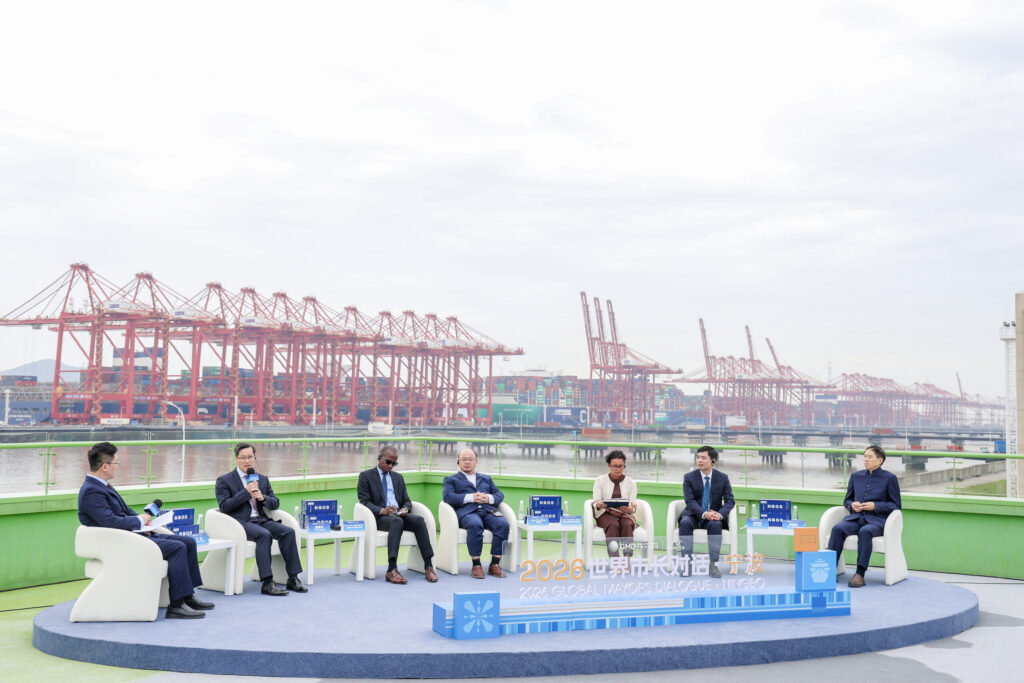
During the 2026 Global Mayors Dialogue · Ningbo, held from November 2 to 5 in east China’s Zhejiang Province, international delegates explored the port’s advanced infrastructure and intelligent logistics operations, highlighting the growing significance of technology-driven maritime development.
For Sri Lanka, strategically located along major East-West international shipping routes in the Indian Ocean, Ningbo-Zhoushan’s development offers important insights into strengthening the Port of Colombo and realizing the country’s ambition to become a leading maritime and logistics hub in South Asia.
Ningbo-Zhoushan: A global maritime powerhouse
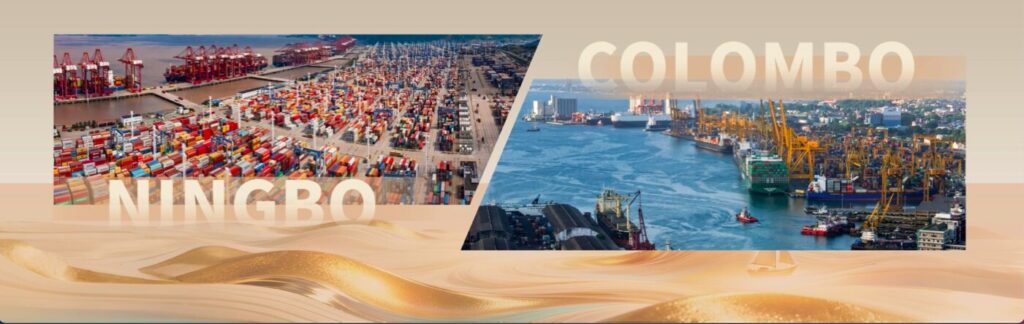
Ningbo-Zhoushan Port has maintained its position as the world’s largest port by cargo throughput for 17 consecutive years, reflecting China’s growing integration into global maritime trade. According to figures published by Zhejiang provincial authorities, the port handled approximately 1.43 billion metric tonnes of cargo in 2025, while container throughput reached 43.87 million twenty-foot equivalent units (TEUs), an increase of 11.6 percent year-on-year.
The performance positioned Ningbo-Zhoushan as the world’s third-largest container port, behind Shanghai and Singapore. Its international shipping network operated 309 container routes, including 257 international services, linking more than 700 ports across over 200 countries and regions.
Beyond its scale, Ningbo-Zhoushan has established an integrated maritime ecosystem encompassing deep-water terminals, automated cargo handling, multimodal transportation, industrial manufacturing and international logistics services. The port’s technological transformation has become a defining feature of its competitiveness. During the Global Mayors Dialogue, delegates visited the Meishan terminal, where driverless container vehicles, automated equipment and intelligent logistics systems demonstrated the increasing role of digital technology in modern port operations. The development illustrates how investment in infrastructure, innovation and connectivity can strengthen supply-chain resilience and enhance operational performance.
Colombo Port demonstrates growing international competitiveness
Sri Lanka’s Port of Colombo has also registered significant progress in recent years, reinforcing its position as a major transshipment gateway serving the Indian Ocean and South Asian markets. According to the Sri Lanka Ports Authority (SLPA), Colombo handled a record 8.29 million TEUs in 2025, compared with approximately 7.79 million TEUs in 2024.
The positive momentum continued into 2026. During the first six months of the year, Colombo handled 4.44 million TEUs, representing an increase of 11.9 percent compared with the corresponding period of 2025. According to figures cited by the SLPA from maritime research provider Alphaliner, the performance lifted Colombo to 20th position among the world’s container ports during the first half of 2026.
Transshipment remains central to the port’s operations, with Colombo providing vital connections between international mainline shipping services and regional feeder networks. Although Ningbo-Zhoushan handles more than five times Colombo’s annual container volume, the comparison highlights the opportunities available to Sri Lanka through continued investment, infrastructure modernization and logistics integration.
Learning from Ningbo's integrated maritime ecosystem
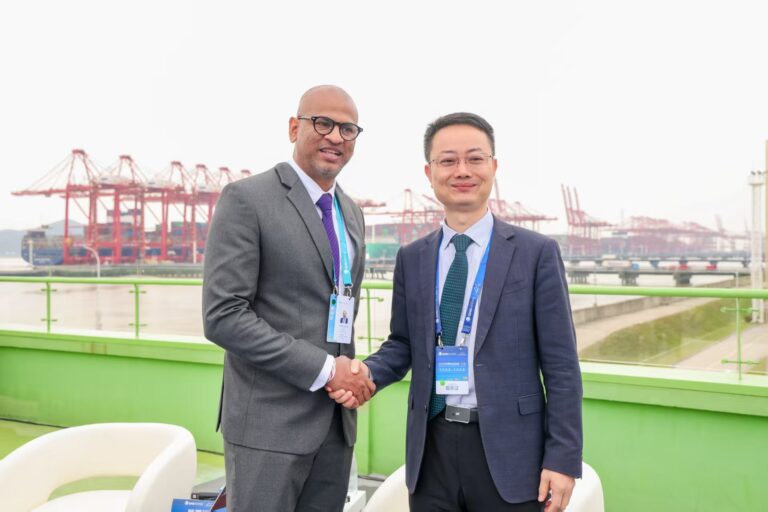
Yasiru Ranaraja of BRISL, who participated in the international gathering, highlighted the importance of studying Ningbo-Zhoushan’s maritime development model to strengthen Sri Lanka’s position within international shipping networks.
“The Ningbo-Zhoushan maritime ecosystem provides an excellent model for the Sri Lanka Ports Authority to study. By learning from its integrated approach to port infrastructure, intelligent logistics, cargo handling and maritime services, Sri Lanka can improve cargo throughput and operational efficiency while positioning itself as the maritime hub of the Indian Ocean,” Ranaraja said.
He emphasized the importance of strengthening cargo-handling capacity and improving operational efficiency across Sri Lankan ports, while strategically positioning the country as a pivotal maritime and shipping hub in South Asia. Sri Lanka’s geographical advantage, located close to some of the world’s busiest international shipping routes, offers considerable potential for attracting transshipment cargo, maritime services and logistics-related investment. However, transforming this geographic advantage into long-term economic competitiveness requires continued improvements in terminal productivity, port connectivity, infrastructure and service reliability.
Strengthening cooperation and maritime connectivity
The experiences of Ningbo-Zhoushan demonstrate that modern port competitiveness extends beyond container-handling volumes. Integrated transport networks, automated terminal systems, digital cargo management, advanced customs coordination and port-related industrial development all contribute to creating a competitive maritime ecosystem. For Sri Lanka, opportunities exist to strengthen operational coordination among Colombo’s terminals, expand logistics facilities, modernize cargo-handling technologies and improve connections between ports and inland transport networks.
The development of complementary maritime capabilities at Hambantota and Trincomalee could also support a broader national strategy, while recognizing the distinct commercial and operational roles of each port. Closer exchanges with international maritime centers, including Ningbo, could facilitate technical cooperation, knowledge sharing and opportunities for investment. Such partnerships would be consistent with the Ningbo Consensus on Collaborative Development adopted during the Global Mayors Dialogue, which emphasized open trade, industrial cooperation and the strengthening of international supply chains.
Charting a new course for Sri Lanka's maritime future
As international maritime trade continues to evolve, ports are increasingly competing through efficiency, technological innovation and the quality of their logistics services. Ningbo-Zhoushan’s transformation demonstrates the potential of coordinated infrastructure investment and integrated maritime planning in establishing a globally competitive shipping center. For Sri Lanka, the priority is to capitalize on its strategic location while expanding cargo throughput, improving terminal productivity and developing a more efficient and connected maritime services sector. By adapting relevant international experience to its own economic circumstances, Sri Lanka can strengthen Colombo’s position as a regional transshipment gateway and work toward its wider ambition of becoming a major maritime hub in the Indian Ocean.
The 2026 Global Mayors Dialogue · Ningbo provided a timely platform for advancing this vision, illustrating how international cooperation, technological innovation and shared development experience can contribute to a more connected and prosperous maritime future.
