Global Mayors Dialogue 2026 concludes in Ningbo, strengthening international cooperation and connectivity
NINGBO, China, November 6, 2026 — The 2026 Global Mayors Dialogue · Ningbo concluded in east China’s Zhejiang Province on November 5, bringing together city leaders, government representatives, international organizations and business stakeholders from across five continents to explore new opportunities for cooperation, innovation and sustainable urban development.
Held from November 2 to 5 under the theme “Openness and Connectivity for Shared Opportunities,” the gathering attracted more than 260 participants, including mayors and representatives from 20 cities in 15 countries and regions, alongside diplomats, international institutions, entrepreneurs and media representatives.The event provided an international platform for advancing city-to-city partnerships, strengthening economic connectivity and encouraging exchanges of practical development experience amid evolving global economic conditions. The dialogue was guided by the State Council Information Office of China and jointly hosted by the People’s Government of Ningbo Municipality, the Information Office of the People’s Government of Zhejiang Province and Xinhua News Agency’s Zhejiang Bureau.
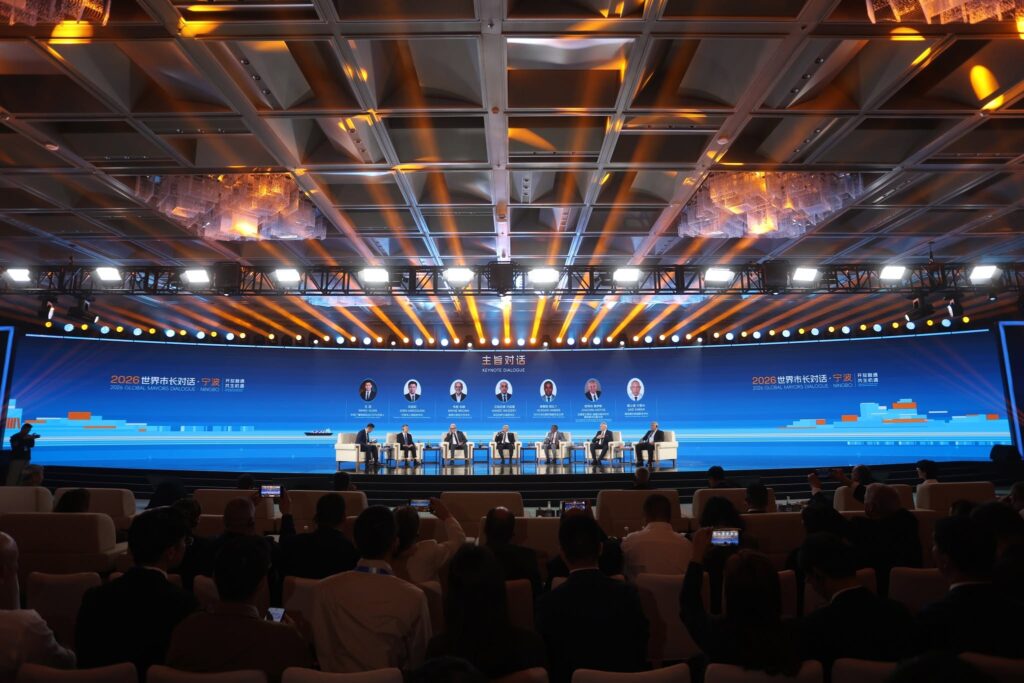
Global leaders gather for dialogue and cooperation
Among the prominent international participants were Wayne Brown, Mayor of Auckland, New Zealand; Enrico Ricci, representing the Mayor of Florence, Italy; Ahmed Wazeery, Secretary-General of Suez Governorate, Egypt; and Joachim Moyse, Mayor of Saint-Étienne-du-Rouvray, France, and Vice President of the Rouen Metropolitan Area. Other notable participants included Romulus Agbedjekou, Special Representative of the Mayor of Cotonou, Benin, and Chairman of the city’s Economic Affairs Commission.
Ningbo Mayor Shen Mingquan also participated in the proceedings, highlighting the city’s international economic connections and its expanding role in global trade. Delegations from Lebanon and other participating countries joined discussions, alongside representatives of organizations including the United Nations Global Compact China and the BRICS New Development Bank.
Sri Lankan participation also included Yasiru Ranaraja of BRISL, reflecting growing interest in enhancing engagement between Sri Lanka and China in areas such as maritime connectivity, international trade, investment and sustainable development. The diverse participation underscored the increasingly important role of city-level diplomacy in complementing cooperation between national governments.
Ningbo Consensus charts common development priorities
A major outcome of the gathering was the adoption of the Ningbo Consensus on Collaborative Development, jointly released by representatives from 15 countries during the main event on November 3.
The consensus outlined three principal areas of cooperation: deepening industrial collaboration, upholding trade openness and strengthening people-to-people exchanges. Participants emphasized the importance of maintaining stable global supply chains, supporting multilateral trade, promoting innovation and creating a more inclusive environment for international economic cooperation. The dialogue also witnessed the signing of 14 cooperation projects covering friendly exchanges, economic and trade relations, science and technology education, and cultural tourism. Among the agreements were new friendly exchange arrangements connecting Yuyao in Zhejiang Province with Errachidia in Morocco, and Ningbo’s Yinzhou District with Saint-Étienne-du-Rouvray in France. These initiatives reflected a shared commitment to translating dialogue into practical partnerships capable of benefiting local communities and businesses.
Exploring innovation, manufacturing and smart logistics
Beyond the main discussions, participants explored Ningbo’s industrial and technological achievements through visits to major enterprises, cultural landmarks and logistics facilities. A key highlight was Ningbo-Zhoushan Port, one of the world’s most important maritime gateways and the global leader in annual cargo throughput.
Delegates observed modern terminal infrastructure, automated logistics systems and advanced cargo-handling operations, gaining insights into how digital technologies can improve port efficiency and strengthen international supply chains. Visits also included Ningbo PIA Automation, Ningbo Yaji Logistics and Peacebird Group, demonstrating the city’s capabilities in intelligent manufacturing, logistics innovation and consumer industries.
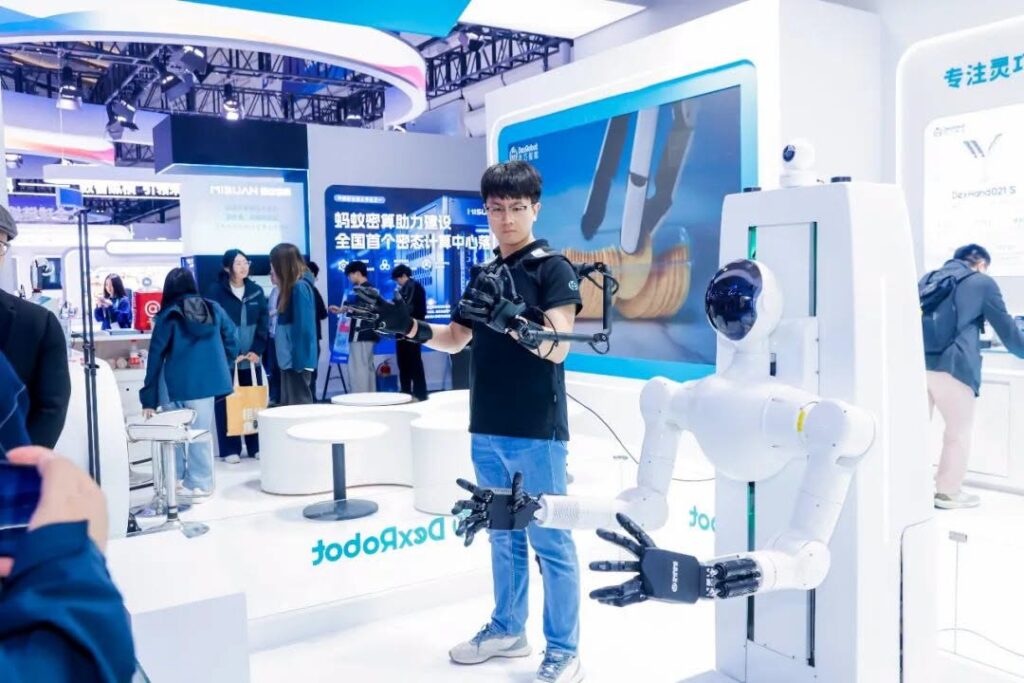
At PIA Automation, visiting delegates witnessed applications of advanced robotics, illustrating the opportunities emerging from the integration of artificial intelligence and industrial production. The discussions highlighted the value of technological exchange, particularly for developing economies seeking to upgrade industrial capabilities and improve competitiveness.
Cultural exchanges strengthen international friendship
The event also emphasized cultural understanding as an important foundation for long-term international cooperation. Participants visited historic and cultural destinations, including Dongqian Lake, the Old Bund and the renowned Tianyi Pavilion, one of China’s oldest surviving private libraries.
During the “Night of Ningbo” cultural activities, international representatives presented books and participated in exchanges celebrating the city’s historic links with the wider world. These activities demonstrated how cultural diplomacy, education and community-level partnerships can reinforce economic and political cooperation.
Building a more connected future
Located on China’s eastern coast, Ningbo has developed into a major center for global commerce, advanced manufacturing and maritime connectivity. The city maintains trade relationships with more than 220 countries and regions, with thousands of Ningbo enterprises investing overseas and nearly 10,000 foreign-invested businesses operating locally.
For participating countries, including Sri Lanka, the dialogue offered a valuable opportunity to exchange development experience and explore the potential for future collaboration. As the gathering concluded, the message emerging from Ningbo was clear: openness, innovation and practical cooperation remain essential to achieving shared prosperity. By strengthening partnerships across cities, industries and cultures, the 2026 Global Mayors Dialogue demonstrated how local governments and international stakeholders can contribute to a more interconnected, resilient and sustainable global economy.
