Xiong’an New Area: China’s Vision for a 21st-Century City Modern City.
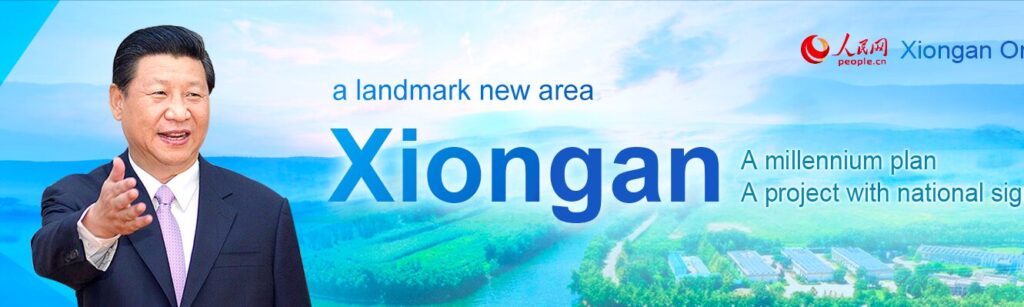
Xiong’an New Area stands as China’s bold vision for a 21st-century city, transforming farmland and wetlands into a model of sustainable urban development, regional integration, and innovation-driven growth. More than a construction project, Xiong’an embodies a people-centric, ethical approach to city-building, balancing economic capacity with social amenities, ecological conservation, and long-term resilience. Often highlighted by President Xi Jinping, the city is designed not only to relieve Beijing’s urban pressures but also to serve as a national pacesetter for high-quality development under the Belt and Road Initiative, offering a template for future cities worldwide.
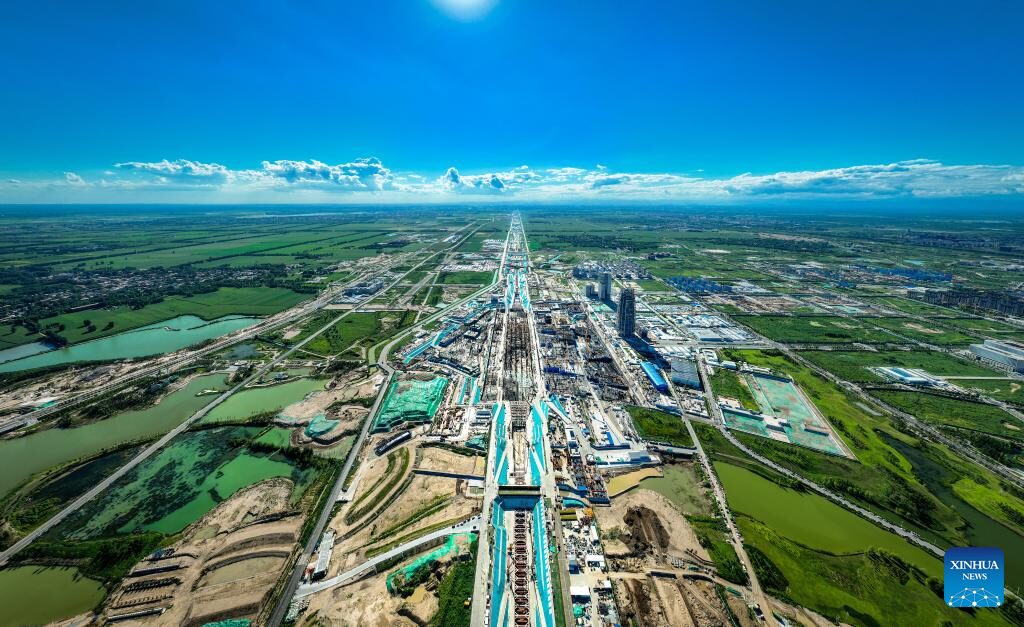
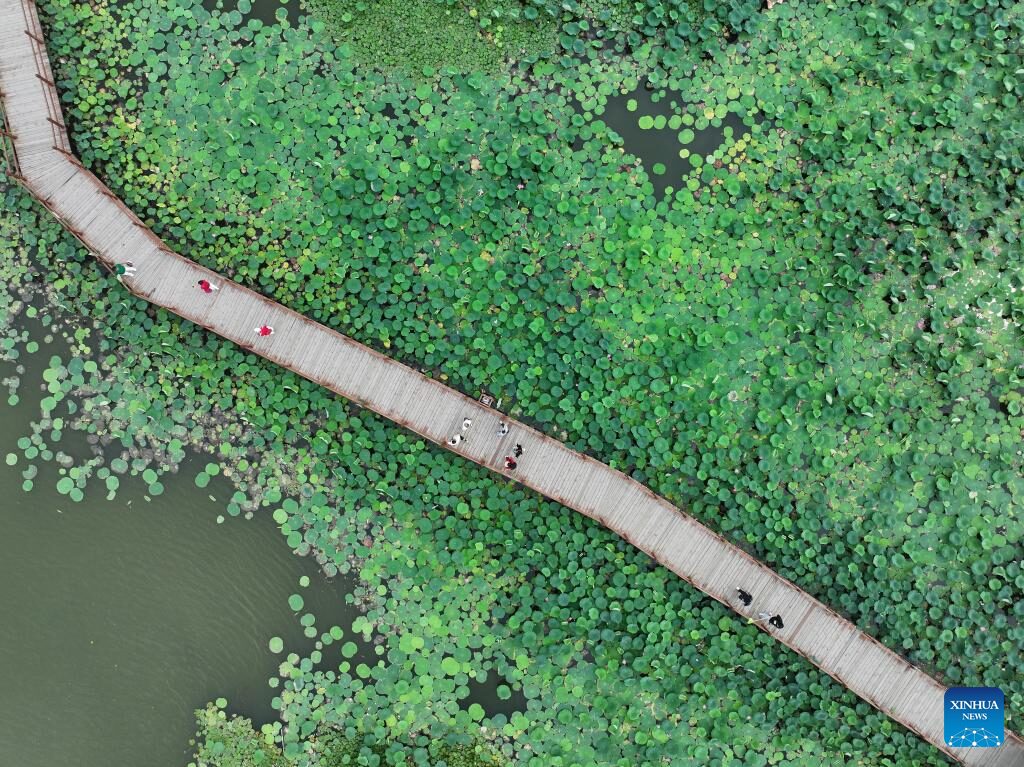
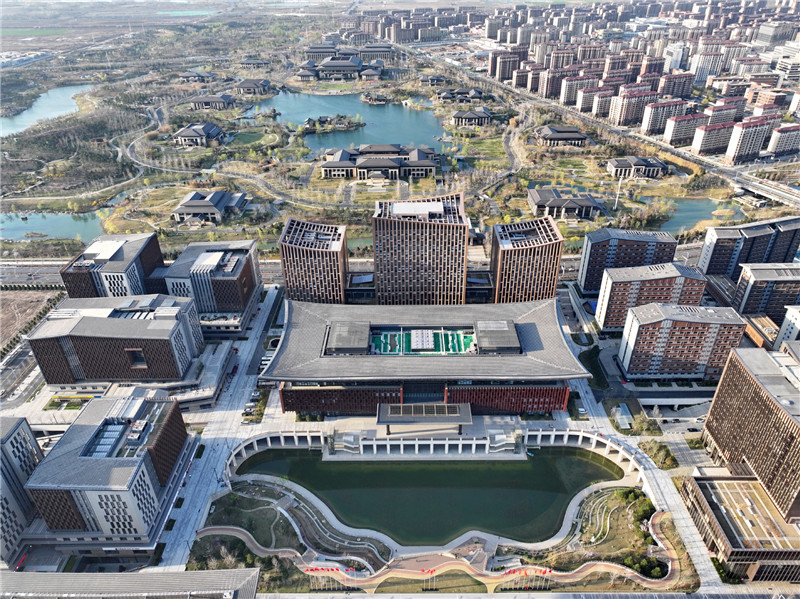
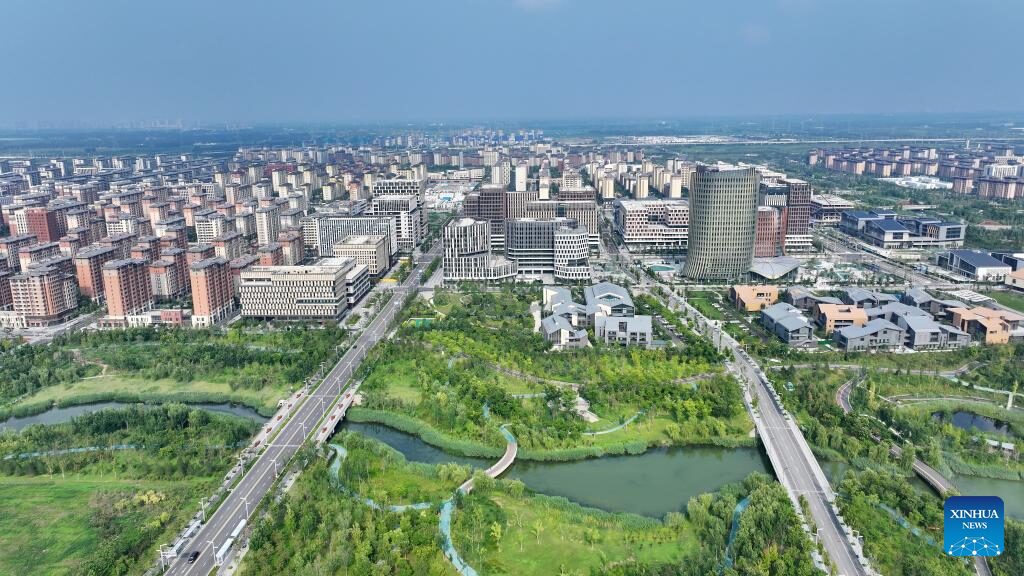
In late November 2025, foreign talents toured Xiong’an New Area, a city that has transformed from farmland and wetlands into one of China’s most ambitious experiments in urban planning, regional coordination, and sustainable development. The visit highlighted both the scale of construction and the strategic ambitions of a city aiming to redefine modern urban living while serving as a central node in the Beijing–Tianjin–Hebei region. Situated in Hebei province, Xiong’an was officially designated in April 2017 to relieve Beijing of its non-capital functions and promote coordinated development across surrounding provinces. By integrating ecological conservation, modern infrastructure, and innovation-driven industries, the city is designed to balance population redistribution, economic development, and environmental sustainability.
President Xi Jinping has visited Xiong’an multiple times, signaling its importance as a legacy project — a modern parallel to Deng Xiaoping’s Shenzhen Special Economic Zone and Jiang Zemin’s Pudong New Area in Shanghai. Xi’s repeated engagements underscore the city’s political and strategic significance as part of China’s broader national development vision. Beyond its economic and technological ambitions, Xiong’an embodies a people-centric, ethical approach, consistently highlighted by Xi Jinping. The city is designed not merely as an economic hub, but as a livable urban space, integrating social amenities, environmental protection, and sustainable living principles. Xiong’an’s development considers community well-being, ecological balance, and long-term resilience, making it a potential national pacesetter for high-quality Belt and Road development.
The 2025 delegation observed the city’s rapid progress, touring the Start-up Zone service center, the East-West Axis, the AI Industrial Park, and cultural landmarks like the Xiong’an Library. Investments exceed 835 billion yuan (US$115 billion), forest coverage has risen to over 32%, and the permanent population has grown to 1.36 million, with a projected long-term capacity of 2–2.5 million. Relocation of over 300 state-owned enterprises and the creation of high-tech clusters demonstrate Xiong’an’s role as a laboratory for innovation-driven urbanization. Xiong’an also represents inter-provincial governance innovation, reflecting unprecedented coordination among Beijing, Tianjin, and Hebei (Jing-Jin-Ji), integrating institutional resources, industrial capacity, and ecological zones into a unified urban strategy. This collaborative framework positions Xiong’an as a model for future cities worldwide, blending centralized planning with modern technology, sustainability, and social well-being.
The 3rd Session of the 2025 Global Youth Innovation Talk: Forum Insights
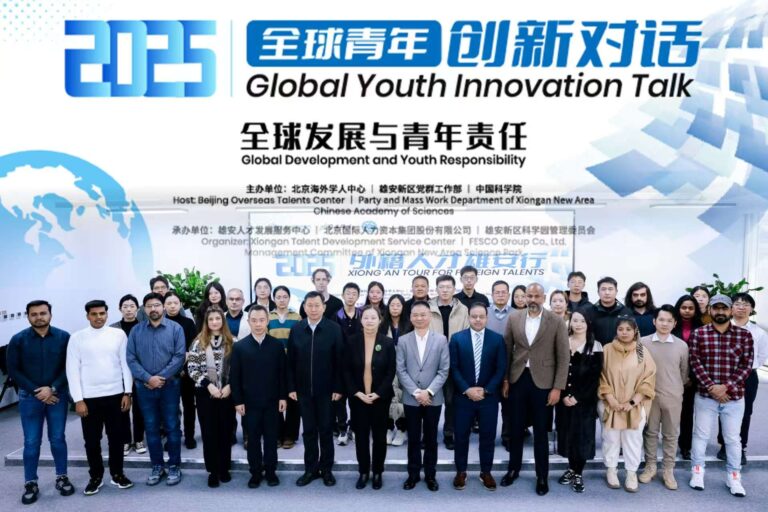
During the visit, delegates attended the 3rd Session of the 2025 Global Youth Innovation Talk, held in the Conference Room of Xiongan Zhongguancun Science and Technology Park. The forum was organized by the Beijing Overseas Talents Center (Host Unit), the Xiongan Talent Development Service Center (Co-organizer), and Beijing International Human Capital Group Co., Ltd. (FESCO) (Undertaking Unit).The session was hosted by Ma Kun, a young talent from Harvard Medical School, and brought together foreign talents from the Chinese Academy of Sciences, student representatives from the International Department of High School Affiliated to Tsinghua University, and young talents of Xiongan New Area.
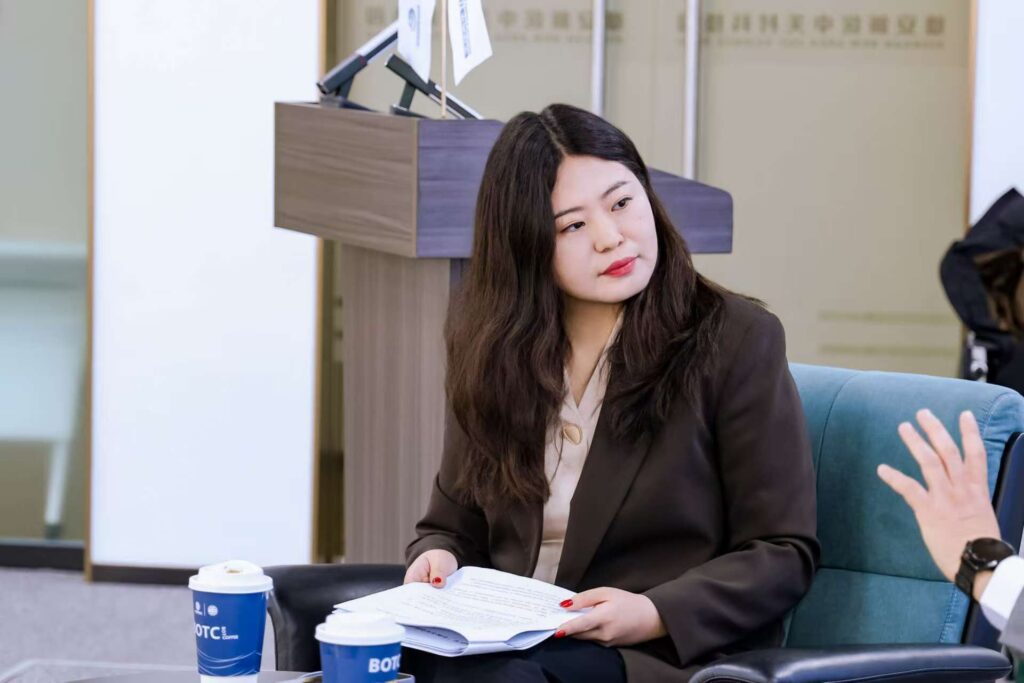
Keynote speaker Johnny Huang, Secretary-General of the UN Sustainable Development Goals and Leadership Development Center, emphasized how Xiong’an could serve as a global model for sustainable urban development. Yasiru Ranaraja, founding director of BRISL, highlighted the city’s role in regional integration, comparing Xiong’an to Shenzhen and Pudong while underscoring its strategic relevance in Belt and Road development. Dr. Majid Khan of the University of Science and Technology Beijing discussed opportunities in modern urban planning, while Tan Huan, a young talent from China Xiongan Group, shared her experience managing major construction projects.
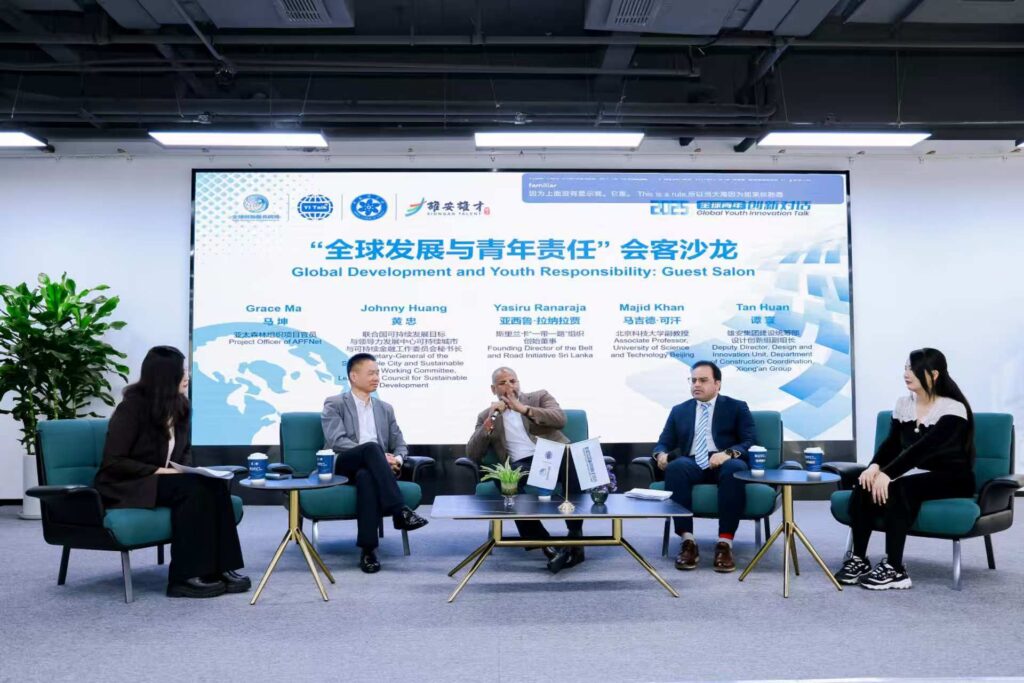
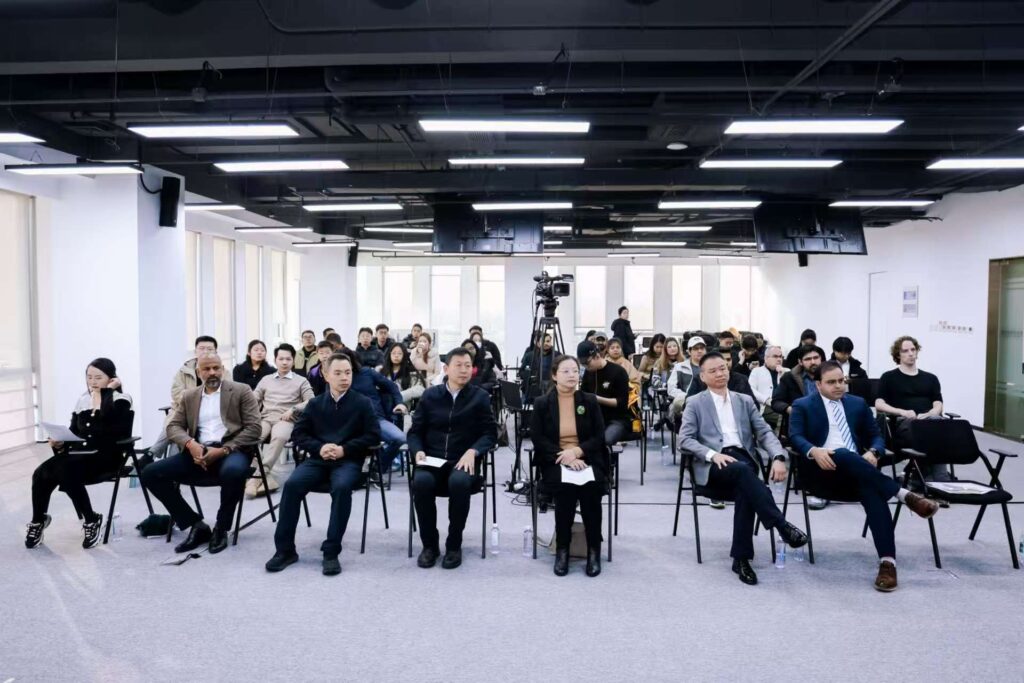
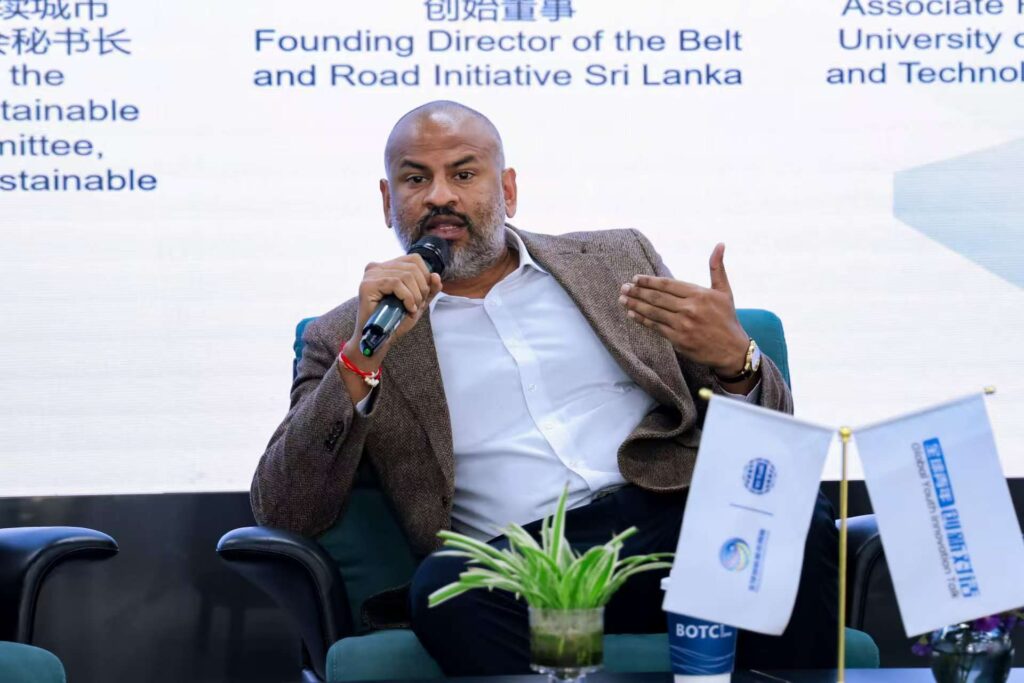
The forum’s discussions captured Xiong’an’s forward-looking ambitions:
- Responding to compound disasters: Delegates examined how Beijing manages simultaneous extreme weather, public safety incidents, and traffic congestion, drawing lessons for Xiong’an’s resilience planning.
- Digital technology as a “master key”: Participants debated the benefits and risks of AI, digital twins, and smart systems in optimizing urban energy and disaster prevention, while addressing data security, technological dependence, and digital divides.
- Integrating green and ethical development: Experts explored how low-carbon building materials and circular economy principles can enhance the physical and social resilience of cities, aligning technological advancement with human-centered urban living.
- Defining next-generation cities: Attendees discussed breaking traditional silos to jointly shape future cities through interdisciplinary, cross-cultural collaboration and innovative governance models.
The forum highlighted Xiong’an as more than a construction project — it is a testing ground for sustainable governance, ethical urban design, and high-quality Belt and Road development, demonstrating how 21st-century cities can harmonize technology, ecology, and society.
Xiong’an New Area, with its ecological planning, regional integration, innovation-driven growth, and people-centric approach, represents a bold experiment in urban design and governance. As it continues to rise, the city is poised to transform the Jing-Jin-Ji region and offer insights for policymakers, urban planners, and development practitioners worldwide. The 2025 visit and the Global Youth Innovation Talk underscore a central lesson: building the cities of tomorrow requires vision, collaboration, and a careful balance between innovation, sustainability, and human-centered design.
